
Thank you for Subscribing to Healthcare Business Review Weekly Brief
× 
Healthcare Business Review Weekly Brief
Be first to read the latest tech news, Industry Leader's Insights, and CIO interviews of medium and large enterprises exclusively from Healthcare Business Review
A featured contribution from Leadership Perspectives: a curated forum reserved for leaders nominated by our subscribers and vetted by the Healthcare Business Review Advisory Board.

Bryan Medical Center
The Human Connection Behind Strong Behavioral Health Leadership
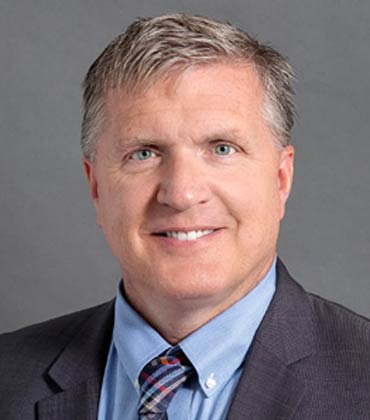
Dr. David Miers
Leading Care Teams with Behavioral Health Experience
My 30-year journey in behavioral health has taught me that exceptional patient care begins with how we care for our teams. In this field, you quickly learn that human connection is the foundation of recovery, and the same principle applies to leadership.
My leadership approach centers on three core pillars:
• Active Engagement & Connectivity: Behavioral health is emotionally demanding work. I prioritize deeply connecting with my employees to understand their individual drivers, prevent burnout, and foster a culture of mutual trust.
• Targeted Resource Provision: Leaders must be facilitators. I focus on identifying the tools, clinical support and operational resources my team members need so they can focus on what they do best: delivering high-quality care.
• Continuous Growth & Development: Success is a long-term investment. By mapping out clear paths for professional growth and helping clinicians expand their skill sets, I ensure the team stays motivated and the division maintains a high standard of excellence.
Ultimately, I view leadership as a mirror of behavioral health itself: when people feel heard, supported and equipped, they thrive.
Supporting Patients with Complex Needs
Treat the customer as you would want to be treated and meet them where they want to be met in developing a treatment plan. In behavioral health, complexity often stems not just from a diagnosis itself, but from a patient’s unique history, trauma and readiness for change. Applying this philosophy transforms care from a rigid, top-down clinical process into a partnership.
Challenges in Expanding Access to Care Services
We are facing a record-breaking surge in patients seeking mental health care, driven by an aging population and a welcome shift toward recognizing mental illness as a treatable condition.
Unfortunately, a severe shortage of behavioral health professionals, including nurses, therapists and psychologists, leaves us unable to fill critical roles. We must unite across sectors right now to inspire the next generation and cultivate an early interest in behavioral health careers.
The Future of Behavioral Health Care
As public stigma around behavioral health fades, more individuals are seeking life-changing care. However, many still delay treatment until a crisis forces them into high-level inpatient facilities.
While the demand for acute crisis services and inpatient beds is rising, the most effective strategy lies in heavy investment toward prevention and early intervention. By identifying behavioral health disorders early and connecting people to outpatient support, we can avert crises and save lives. Moving forward, we must sustain our focus on suicide prevention, intervention and postvention, along with broader behavioral health awareness. Cultivating community connectivity is equally vital, as research consistently shows that more connected communities experience lower rates of violence and substance use.
Building a Career in Behavioral Health with Trusted Mentors
I suggest that new professionals starting out in their careers seek support from a trusted mentor or two whom they can lean on for support and advice. Leadership is difficult but very rewarding. There are times when we run into difficult situations where it is helpful to have a mentor to seek advice. Mentors can also provide real-world wisdom and help new professionals build confidence and new skills.
The articles from these contributors are based on their personal expertise and viewpoints, and do not necessarily reflect the opinions of their employers or affiliated organizations.
