
Thank you for Subscribing to Healthcare Business Review Weekly Brief
A featured contribution from Leadership Perspectives: a curated forum reserved for leaders nominated by our subscribers and vetted by the Healthcare Business Review Advisory Board.

ROWI Teen & Parent Wellness Centers
Treating Kids Where Life Happens
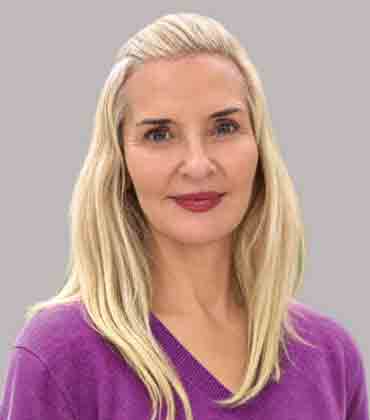
Suzanne Sickner
Suzanne Sickner, PsyD, LMFT, is Chief Clinical Officer of ROWI Teen & Parent Wellness Centers, a Joint Commission-accredited provider of partial hospitalization and intensive outpatient programs for children and adolescents ages 8 to 17 across California.
When a child or adolescent leaves a psychiatric hospital, everyone around them is afraid. Parents are afraid. Schools are afraid. Often, clinicians are afraid too. The natural response is to keep the young person protected a little longer, moving them from the hospital into a residential program, away from the pressures that seemed to bring them to crisis in the first place.
I understand that instinct after a career working with children and families in behavioral health settings. But I have come to believe that, for many kids, it delays the hardest and most important part of recovery: learning to stay well in the life they actually have to go back to.
The Skills Have to Work at Home
A child can master coping skills in a quiet, structured setting. The real test is whether those skills hold up at home: at bedtime after an argument with a parent, on a school night after a hard day with classmates, or with a phone full of messages. Skills learned away from home often have to be relearned on return, at the very moment support falls away.
Partial hospitalization (PHP) and intensive outpatient (IOP) programs reverse that sequence. At ROWI, children and adolescents ages 8 to 17 attend PHP five days a week, then step down to IOP three days a week. They go home every evening. They face their real stressors, including family conflict, school pressure, friendships and social media, and come back the next day to work through what happened. The stressors become the curriculum.
Parents are part of the treatment, not visitors to it.
Safety is the Proof Point
None of this matters if we cannot keep young people safe. Keeping a recently hospitalized child in their home environment is only a responsible choice if the care around them is built for it.
That means safety is a stringent, layered protocol, not a single intake assessment. Risk screening happens at every touchpoint. Each child builds a safety plan with their clinician, and we track progress continuously with standardized outcomes tools, so rising risk shows up early rather than at discharge.
Parents are our closest partners. Through family sessions and ongoing psychoeducation, mom and dad learn what their child is facing, which warning signs matter, and what to do in the moment. Each night, the child goes home to adults who are part of the treatment team.
We also hold ourselves to an honest standard: this model is not right for every child. When a young person is not stabilizing, or risk rises despite this support, we escalate to a higher level of care quickly. Knowing when to step up is part of keeping kids safe.
When safety is built into every layer of that care, we do not have to choose between protecting young people and preparing them for real life. We can do both.
The data support this approach. Our experience with children and adolescents who come to us directly from a psychiatric hospitalization has been encouraging. Across all of our programs, young people who arrive with clinically significant depression and anxiety show substantial, measurable improvement, well above national benchmarks for PHP and IOP care. Most important, safetyrelated thinking declines markedly over the course of treatment. Families stay engaged, too: far fewer leave against medical advice than the national average, a sign that parents trust the process enough to see it through.
Why This Matters for Leaders
For healthcare executives, payers and health systems, this is not only a clinical question. Adolescent psychiatric beds are scarce, and residential programs often carry long waitlists and high costs. When partial hospitalization or intensive outpatient care is the right fit, it costs a fraction of a residential stay, keeps kids connected to school, and preserves residential capacity for the young people who genuinely need it.
It also changes what discharge means. A child who completes PHP and IOP has not been shielded from their life for a month. They have been practicing living it, with support, every day.
Choosing the Right Level of Care
This is not an argument against residential treatment. Some children and adolescents need it, and good residential programs save lives. It is an argument against treating it as the default. The question after a hospitalization should not be “How do we keep this child away from their stressors?” It should be “What level of support do they need to face those stressors safely?”
For many kids, the answer is intensive, structured care that sends them home at the end of each day. When safety is built into every layer of that care, we do not have to choose between protecting young people and preparing Suzanne Sickner them for real life. We can do both.
The articles from these contributors are based on their personal expertise and viewpoints, and do not necessarily reflect the opinions of their employers or affiliated organizations.
