
Thank you for Subscribing to Healthcare Business Review Weekly Brief
× 
Healthcare Business Review Weekly Brief
Be first to read the latest tech news, Industry Leader's Insights, and CIO interviews of medium and large enterprises exclusively from Healthcare Business Review
A featured contribution from Leadership Perspectives: a curated forum reserved for leaders nominated by our subscribers and vetted by the Healthcare Business Review Advisory Board.

Pacific Skilled Healthcare LLC
Building a Sustainable Healthcare Workforce through Recruitment and Retention
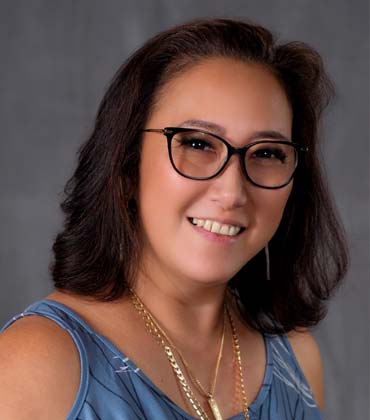
Debbey Baricuatro
In healthcare, an open position is more than a vacancy on a staffing report. It can mean another shift to cover, additional pressure on an already stretched team and less flexibility for the people responsible for providing care. For HR leaders, recruitment and retention decisions directly affect employees, operations and the people we serve.
Through my work supporting skilled nursing, post-acute care and pediatric care facilities in Hawaii, I have learned that hiring alone does not solve workforce challenges. We need to connect recruitment and retention from the beginning— creating opportunities for people to enter healthcare, supporting them as they learn and helping them build lasting careers within our organizations.
Build The Workforce Through Partnerships And Relationships
Finding qualified professionals in a competitive market remains a persistent challenge. Organizations often recruit from the same limited pool, particularly for nursing and direct care positions. In Hawaii, the cost of living adds another consideration for local applicants and professionals considering relocation.
Hawaii is also a place where relationships matter. People are connected through family, friends, schools and their communities and those connections carry into the workplace. In my experience, how we treat one applicant or employee can influence whether others.
consider working with us. Building trust, following through and maintaining respectful relationships are essential to recruitment and retention here.
In my work, recruiting also means helping people take the steps needed to qualify for a position.
Partnerships with educational institutions and industry organizations support that effort. Working with partners such as UH Maui College and the Healthcare Association of Hawaii connects workforce needs with education, training and career development opportunities. These relationships bring employers and workforce partners together to prepare people for the healthcare roles our communities need.
Nurse aide training has been an important part of our approach. Helping candidates navigate training, preemployment requirements, certification and the transition into a facility role creates a more accessible entry point into healthcare. Earn-and-learn opportunities make that path more practical for people who need an income while developing new skills.
Career development should continue beyond that first position. Our work supporting CNA to-LPN pathways through UH Maui College reflects the importance of investing in employees who want to advance. Support may include assistance with prerequisites, applications, work schedules and preparation for licensure.
For HR, that means staying involved from the initial expression of interest through training, graduation and preparation for licensure. It also helps employees see a future within the organization.
Make The Hiring Process Personal And Practical
Candidates form an impression of an organization long before their first day. Delayed responses, unclear instructions or difficulty navigating requirements can cause an interested applicant to move on.
When We Make It Possible For People To Enter Healthcare, Succeed In Their Roles And Grow Within Our Organizations, We Strengthen Both Our Workforce And The Communities That Depend On Us.
Healthcare onboarding involves background checks, physical examinations, tuberculosis screening and credential verification. HR can make the process easier by explaining requirements early, staying in contact and helping candidates resolve obstacles.
Consistent follow-through matters. A candidate who understands the next step and knows whom to contact is better positioned to complete the process. A responsive hiring experience also demonstrates the communication and support employees should expect after they join.
Retention Requires Shared Ownership
In my role, recruitment and retention responsibilities overlap every day. Helping someone complete onboarding is an early step; ensuring they receive clear expectations, practical guidance and ongoing support requires continued coordination with facility leadership.
Compensation matters, but retention also depends on manageable expectations, fair treatment, communication, scheduling and confidence in leadership. Employees need to understand their responsibilities and feel comfortable asking for help or raising concerns.
The transition from orientation to independent work deserves particular attention. New employees may complete their required training and still need guidance as they build confidence. Experienced employees serving as mentors can provide practical support, reinforce expectations and help new team members feel connected.
Retention is a shared responsibility between HR, administrators, nursing leaders and department managers. HR can identify patterns and recommend solutions, but improvement requires action where employees experience their work every day.
Plan Beyond The Next Opening
HR leaders need to understand vacancies, turnover, overtime, agency use and the skills each facility will need as services change. Those measures become more useful alongside conversations about why employees leave, where new hires struggle and which development opportunities employees want.
Supporting multiple facilities has reinforced the importance of balancing organizational goals with each location’s needs. A pediatric care facility may require a different recruitment approach, onboarding process or schedule than a traditional skilled nursing facility.
My responsibility is to understand what each facility needs, work with its leaders and help build a team that can meet those needs over time.
When we make it possible for people to enter healthcare, succeed in their roles and grow within our organizations, we strengthen both our workforce and the communities that depend on us.
The articles from these contributors are based on their personal expertise and viewpoints, and do not necessarily reflect the opinions of their employers or affiliated organizations.
