
Thank you for Subscribing to Healthcare Business Review Weekly Brief
× 
Healthcare Business Review Weekly Brief
Be first to read the latest tech news, Industry Leader's Insights, and CIO interviews of medium and large enterprises exclusively from Healthcare Business Review
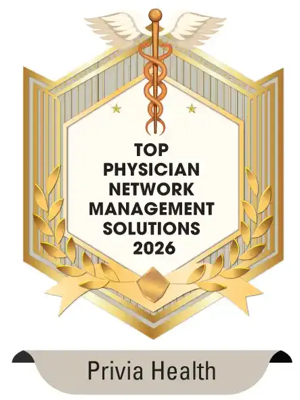
Independent physicians commonly face a choice between preserving control of their practices and gaining the resources of a larger organization. Privia Health offers another route. Its physiciancentered model lets practices retain clinical and financial autonomy while joining medical groups supported using shared technology, administrative services and local teams. The arrangement gives doctors greater scale without removing their voice from decisions that shape patient care. Privia Health brings physician practices, health plans and health systems together in primary carecentric networks that also include specialists. These networks are built around medical groups and riskbearing entities, all connected through a shared technology and services platform. By January 2026, the model supported more than 5,300 providers at over 1,300 practice locations serving more than 5.8 million patients. Preserving Independence Through Scale Privia Health brings multispecialty medical groups together under a single tax identification number, giving them a stronger position in payer negotiations while improving clinical coordination and coordinating financial incentives. Practices also benefit from collective purchasing power for laboratory services, ancillary care and everyday supplies. Through the wider network’s management services organization, individual offices can access tools and resources that may otherwise be too expensive to obtain independently. Joining a larger network does not mean physicians give up control over clinical decisions. Doctors lead Privia’s medical groups and help guide priorities at the local, regional and national levels. Task forces and peer communities allow them to contribute where their knowledge is most relevant. The Clinical Leadership Program carries that input into decisions about workflows, patient access and practice growth, helping ideas from the front line take hold across the network....Read more

Medical Equipment Repair & Maintenance
In radiation oncology, every hour of equipment downtime sets off a chain reaction. Care teams scramble to rearrange already full schedules, and patients are left waiting for treatment that cannot simply be delayed until the next appointment. This is happening at a time when Medicare and Medicaid reimbursement changes have squeezed revenues for many healthcare organizations, even as the cost of maintaining sophisticated medical equipment continues to climb. For many providers, expectations keep... Read more

Healthcare Staffing

Continuity of patient care depends on having the right clinical specialists available in the hospital when the need arises, even during inconvenient schedules. This is what HonestLove Global Professional Staffing enables healthcare organizations to achieve. It gives them timely access to dependable nurses and allied healthcare professionals to help maintain... Read more
Business Process Outsourcing
Cool Blue VA was born out of a staffing problem inside a medical practice. During the pandemic, Founder Justin Lam and his physician siblings struggled to keep their family clinic staffed as conventional hiring became increasingly difficult. They turned to nurses in the Philippines to fill the gap. The approach helped the practice through the crisis and showed Lam that other healthcare provid... Read more
Radiology

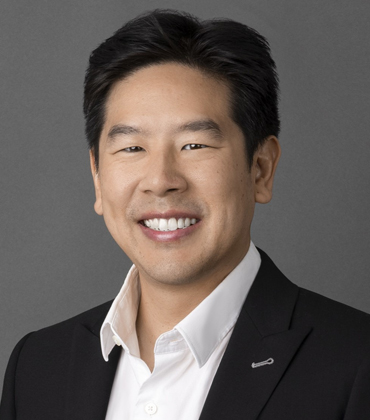
Leading the Future of Radiology: A Journey of Innovation and Growth
Vidal McNeal, Radiology Manager, Shirley Ryan AbilityLab
Medical Case Management

Proactive Partnerships: Advancing Preventative Medicine
Roger Kapoor, Senior Executive Vice President, Beloit Health System
Medical Billing
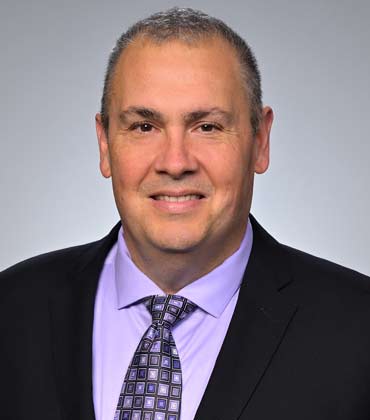
From Data to Delivery: Scaling Access to Cell Therapy
Robert Richards, Corporate Director of The Center for Cell Therapy and Transplant, University of Pennsylvania
Compliance & Risk Management

The Future of Quality and Risk Leadership in Healthcare
Shannon Sears, BSN-RN, LNHA, MSC-NH, CDP, Executive Vice President of Quality, Safety and Risk Management, ThriveMore
Medical Case Management
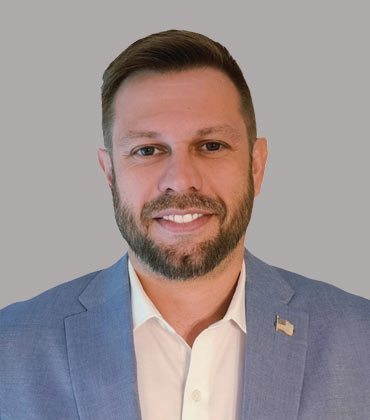
Aging in Place: How Home Accessibility is Transforming Patient Care Beyond the Hospital
Ben Schaefer, Director of Business Development and Compliance, HomePRO Mobility
Healthcare Staffing
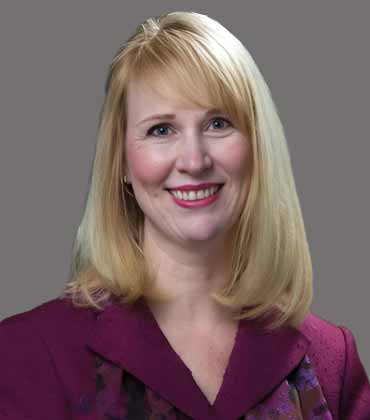
The Human Connection Behind Healthcare Excellence
Colleen Wilson, PHR, Human Resources Manager, Sierra View Medical Center
Patient Care

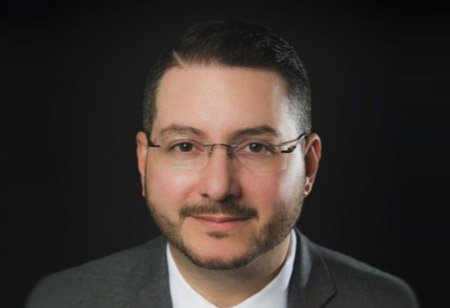
Impact of AI on the practice of Medicine Physician’s Perspective
Yong Wen, M.D Attending Physician, St. Luke's Cornwall Hospital
IN MY OPINION
Health Insurance
Designing Actionable Value-Based Care Contracts That Last
Michael S. Lemell, Executive Director, Value-Based Care Contracting, AdventHealth

LAST WORD
Multi Speciality
Reimagining Cardiac Wellness: A Collective Reset for a Healthier Future
Brian Cleven, Registered Clinical Exercise Physiologist, BEmplify Health
IN FOCUS

Physician Network Solutions: Transforming Provider Management and Healthcare Access
Physician network management improves provider data accuracy, credentialing, contracting, network adequacy, compliance, analytics and healthcare access through coordinated solutions.

Radiotherapy and Ultrasound Support Services Market Trends and Growth
Radiotherapy and ultrasound support services improve equipment reliability, operational efficiency, regulatory compliance, and quality healthcare delivery worldwide.
EDITORIAL
Supporting Providers Across the Continuum of Care
Healthcare providers are dealing with familiar pressures from rising costs to staffing demands and the need to keep care moving. The companies featured in this edition of Healthcare Business Review are addressing different parts of that challenge, from physician support and equipment service to access to regenerative medicine.
Leading the edition is Privia Health, recognized as the Top Physician Network Management Solutions 2026. Its model gives independent physicians access to shared technology, administrative support and value-based care resources while allowing them to retain control over clinical decisions. By January 2026, the network supported more than 5,300 providers across over 1,300 practice locations serving more than 5.8 million patients.
Solutech, honored as the Radiotherapy and Ultrasound Support Services of the Year 2026, helps healthcare providers keep treatment equipment in service. Its work covers field service, replacement parts, remote software support, equipment lifecycle management and advanced repairs. The company supports nearly 250 linear accelerators across 39 states and reports 98 percent uptime across its installed base.
Global Regenerative Group, recognized as the Top Regenerative Medicine Solutions 2026, has built a network of physicians around education, clinical collaboration and medical societies. Its network includes about 3,000 physicians and more than 300 faculty members. The company also develops and distributes regenerative medicine devices and is expanding its patient-focused work through Global Regenerative Health.
Taken together, these stories show how different parts of healthcare support one another. We invite you to explore the edition and the people and organizations working to make care more accessible, reliable and responsive.
