


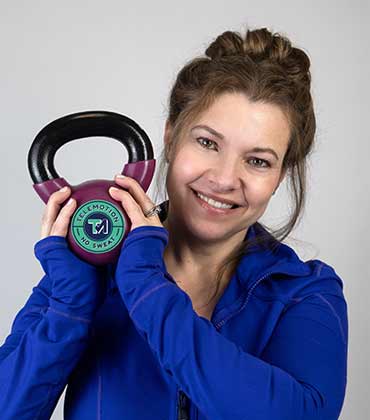
 Teresa Nichols, Creator
Telemotion takes a simpler approach: low-impact movement can be worked into the day to reverse the impact of repeated movements or positions. Created by Teresa Nichols, it promotes low-impact exercises that can be done almost anywhere, without equipment or a gym.
She says, “Our purpose is straightforward. Give people practical ways to move their bodies and offset some of the effects of prolonged sitting, standing, driving, or repetitive work.”
A Different Starting Point
Telemotion is not built around advanced workouts. Its movement library includes routines that can be performed while sitting as well as exercises for people who can stand. That makes the approach particularly useful for beginners, older adults, and people who have little interest in traditional fitness programs.
The idea is to remove the intimidation that often surrounds exercise. Instead of asking someone to commit to a demanding routine, Telemotion offers small movements that can become part of an ordinary day. Nichols sees that first step as important because someone who starts moving may become more willing to do more later.
The library includes about 50 movements and continues to grow. Exercises address balance, circulation, strength, posture, and mobility, giving organizations the ability to choose movements that make sense for their environments.
Bringing Exercise Into The Workplace
The workplace is a natural setting for Telemotion because that is where many people spend much of their day. Rather than treating wellness as another scheduled obligation, the company uses visual reminders to make movement easier to notice.
Its artwork can be displayed in hallways, break rooms, waiting areas, and other shared spaces. A person walking back to a desk may see an exercise and decide to try it. Digital versions can appear on lobby or workplace screens, while organizations can also send movement prompts through email.
The approach is intentionally low-pressure. Telemotion does not require employees to participate. It simply puts movement in front of them at moments when they might have a few minutes to spare. Nichols describes the concept as “a positive advertisement for your health.”
A facility where people sit for long periods may need something different from an assembly-line environment or a workplace where employees spend most of their time standing. Custom projects can include break-room designs, movement-focused furniture, training sessions, and nutrition elements such as fresh fruit, vegetables, and nuts.
Built Around Each Environment
Telemotion can be introduced with something as simple as a monthly poster or developed into a more customized workplace program. Nichols works with organizations to understand what employees do throughout the day and then identify movements that could help counter those demands.
-
Our purpose is straightforward. Give people practical ways to move their bodies and offset some of the effects of prolonged sitting, standing, driving, or repetitive work.
A facility where people sit for long periods may need something different from an assembly-line environment or a workplace where employees spend most of their time standing. Custom projects can include break-room designs, movement-focused furniture, training sessions, and nutrition elements such as fresh fruit, vegetables, and nuts.
The flexibility also extends to senior living communities and public spaces. The emphasis remains the same: make movement accessible enough that people can begin without feeling that they need to become fitness enthusiasts first.
Looking Beyond The Workplace
Telemotion’s ambitions extend beyond offices and senior communities. Airports are a major goal for the company because they bring together people from different places and create opportunities to introduce movement to a broad audience.
The longer-term vision is international. Nichols wants Telemotion to reach organizations around the world and encourage people to take simple movement ideas back to their own communities.
Telemotion has been named a Top No Sweat Exercises Service for 2026. The recognition fits a company built around a modest but meaningful idea: people do not always need more time to exercise. Sometimes they need a [reminder] to move during the time they already have.
Choosing No-Sweat Exercise Services for Everyday Participation
A wellness program can attract initial interest yet struggle to sustain participation when employees must leave their workstations, change clothes or reserve time for exercise. Healthcare organizations and employers considering no-sweat exercise services face a particular constraint. Physical activity must fit into existing routines without disrupting work or requiring participants to adopt a formal fitness regimen. The purchasing decision rests on whether brief movements can become a regular part of the day rather than another scheduled obligation.
Accessibility shapes that decision. Traditional exercise programs may assume a level of mobility or physical confidence that excludes people who have spent years without structured activity. A workplace may include employees who remain seated for extended periods alongside staff whose duties require prolonged standing. Senior living environments introduce further differences in physical ability. Services built around low-impact movements should accommodate these conditions through seated and standing routines, allowing participants to engage without specialized equipment.
“Telemotion supports flexible deployment through printed displays, digital content and optional training that helps facility managers select movements suited to their environment.”
Movement selection also requires attention to the physical demands of each setting. Repetitive tasks can limit opportunities to change posture, while desk-based work may contribute to stiffness and reduced range of motion. Exercises addressing balance or mobility serve different purposes from those emphasizing circulation or strength. Procurement teams should examine whether a provider offers enough variety to reflect these distinctions without making the instructions difficult for beginners to follow. Simple movements may encourage participation, but their suitability still depends on individual limitations.
Participation frequently depends on what people encounter during ordinary activities. A poster near a break room may prompt movement during a short pause, while content displayed on a waiting-room screen can reach people who would never register for a wellness session. Digital reminders offer another route, although excessive notifications can become background noise. Placement and presentation should reflect how people use the facility. Visual instructions must be understandable without prolonged explanation, particularly where audiences change throughout the day.
Healthcare facilities face an additional responsibility when introducing movement prompts in shared spaces. Some participants may have restrictions that make particular exercises unsuitable. Providers should make it possible to distinguish accessible movements from those requiring greater physical capacity. Clear instructions and voluntary participation help prevent general wellness encouragement from being mistaken for individualized clinical advice. Claims about physiological benefits should also be assessed separately from the ease of performing an exercise.
Budget and implementation requirements can determine whether a program reaches beyond a small pilot. Printed materials offer a relatively simple entry point, whereas customized spaces involve greater planning and expense. Digital distribution may use existing screens, reducing the need for dedicated equipment. Decision-makers should establish who selects the exercises, maintains the displays and introduces the program to staff. An approach that relies heavily on continuous supervision may prove difficult to sustain across multiple locations.
Telemotion provides a library of approximately 50 low-impact movements, including seated and standing exercises designed for participation without gym equipment. Its approach uses visual prompts placed in everyday environments rather than requiring formal workout sessions. Organizations can introduce printed exercise posters or display movement content through existing screens, while customized installations allow materials to reflect particular spaces and work routines. Telemotion supports flexible deployment through printed displays, digital content and optional training that helps facility managers select movements suited to their environment. Its emphasis on beginner-accessible routines is particularly relevant to healthcare facilities, senior living communities and employers introducing voluntary movement opportunities for people with different physical abilities.
...Read more
No-Sweat Exercise Services Info
Q1
What Are No-Sweat Exercise Services, and How Do They Fit Into Everyday Routines?
No-Sweat Exercise Services make physical activity easier to incorporate into ordinary routines without requiring gym equipment, dedicated workout sessions or major changes to daily schedules. These services typically emphasize simple, low-impact movements that people can perform during short breaks or while carrying out familiar activities. Depending on the setting, exercises may address posture, balance, circulation, strength or mobility. The aim is to reduce barriers to participation and encourage regular movement rather than replace structured fitness programs or individualized medical care. By bringing exercise into familiar environments, organizations can make physical activity feel more approachable for people with different abilities and experience levels.
Q2
How Does Telemotion Make No-Sweat Exercise Services Accessible in Different Environments?
Telemotion, created by Teresa Nichols, makes movement accessible through a library of approximately 50 exercises, including routines performed while seated and others that require standing. The collection addresses balance, circulation, strength, posture and mobility. Its approach recognizes that people have different physical capabilities and may not feel comfortable with conventional workout programs. Rather than requiring participants to visit a gym or follow demanding schedules, Telemotion presents simple movements that can fit into the day. This model allows organizations to introduce No-Sweat Exercise Services in settings where accessibility, convenience and minimal disruption are important considerations.
Q3
Which Workplace Challenges Can Low-Impact Exercise Programs Help Address?
Extended sitting, prolonged standing, driving and repetitive tasks can limit opportunities to change position throughout the day. No-Sweat Exercise Services offer a practical way to introduce movement into these routines without requiring employees to leave their usual environments for formal exercise sessions. Short activity prompts can encourage people to adjust their posture, move between tasks or explore suitable mobility exercises during available breaks. The appropriate approach depends on the work being performed and the physical needs of participants. Organizations should select movements that are easy to understand, relevant to their environments and suitable for voluntary participation.
Q4
What Should Organizations Consider When Choosing No-Sweat Exercise Services?
When evaluating No-Sweat Exercise Services, organizations should consider exercise variety, accessibility, ease of implementation and the physical demands of their environments. Seated and standing options can accommodate different participation needs, while clear visual instructions help people understand movements without extensive supervision. Organizations should also examine how materials will be displayed, who will maintain them and whether the program can adapt to different spaces. Exercise prompts should not be treated as individualized clinical guidance. Participants with mobility limitations or medical restrictions may need appropriate modifications or professional advice before attempting particular movements.
Q5
How Can Visual Prompts Encourage More Consistent Physical Activity?
Visual prompts can make No-Sweat Exercise Services easier to notice during ordinary activities. Posters in break rooms, hallways and waiting areas can introduce movements at moments when people have time to participate. Digital displays and email reminders provide additional ways to communicate exercise instructions without requiring dedicated workout sessions. Placement matters because prompts need to be visible without interrupting work or overwhelming shared spaces. A well-designed program makes instructions straightforward and participation voluntary. Organizations should also review whether their chosen reminders reach the intended audience and remain relevant as routines or workplace conditions change.
Q6
How Can No-Sweat Exercise Services Be Adapted to Different Facilities?
Effective implementation depends on matching No-Sweat Exercise Services to the environment rather than applying the same program everywhere. Telemotion offers customized workplace projects that can include break-room designs, movement-focused furniture, training sessions and selected nutrition elements. Its materials can be introduced through monthly posters or expanded into more tailored programs based on employees' daily activities. The approach also extends to senior living communities and public spaces. Organizations can determine which formats suit their facilities, available space and participation goals. Any exercise selection should account for individual capabilities, with appropriate guidance where movements may not suit everyone.
