
Thank you for Subscribing to Healthcare Business Review Weekly Brief
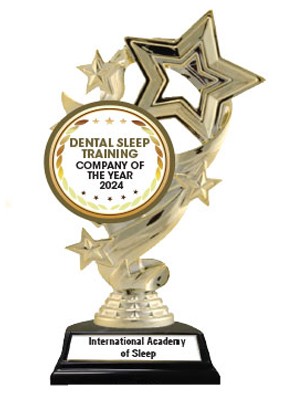
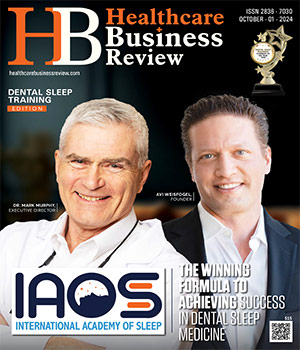
Keeping up and staying relevant in dental education, coaching and consulting for over a decade is no small feat. One organization, however, challenged this status quo. The International Academy of Sleep (IAOS) has stood the test of time and carved a niche in the dental sleep medicine (DSM) domain, equipping dentists with the expertise and confidence to excel in the rapidly evolving and highly specialized field. The IAOS success story begins with its founder, former dentist Avi Weisfogel, whose firsthand experience navigating the challenges of this unique medical-dental hybrid field laid the groundwork for the company’s comprehensive DSM training and coaching programs. His journey of trial and error led to valuable insights that now form the backbone of IAOS’s curriculum, offering real-world strategies to aspiring dental sleep professionals. IAOS takes a different approach from the conventional. It recognizes that genuine success in DSM demands more than just basic knowledge. It requires a deep understanding of the complexities within the field, paired with hands-on experience and ongoing support, ensuring dentists are fully prepared to integrate DSM into their practices with lasting impact. It meets this demand with robust educational courses paired with practical coaching. Covering essential topics, from clinical expertise and business strategies to patient communication, these programs equip practitioners to stand out in their communities as leading sleep experts. The thorough approach has significantly influenced the growth of the specialty and shaped the careers of many successful dental professionals. Targeted Strategies For Overcoming Key Dsm Issues “The dental sleep industry is difficult. What IAOS does is train practitioners to grasp what is required fully, so they understand how to excel in this field,” states Weisfogel. Navigating the complexities of DSM requires a shift from traditional dental practices to a more collaborative approach. In conventional dentistry, a dentist can independently diagnose and treat patients. DSM requires a coordinated strategy involving multiple medical professionals. A primary care physician or sleep specialist is often needed to identify potential sleep apnea concerns, and a board-certified sleep specialist plays a crucial role in diagnosis and treatment recommendations. This requirement for collaboration a ...Read more
Dental Practice Management
Dental practitioners often have to act as both doctors and administrators of non-clinical tasks, which makes running a dental clinic challenging. Combine this with the attention required to establish an effective billing process, and dentists lose focus on their core task of treating patients. Outsourcing billing and collections can free dentists and their staff to focus on care delivery. These complications are why many dentists partner with Prospa Billing, a HIPAA-compliant, dedicated de... Read more
Dental Practice Management
Surgeons in the oral healthcare landscape play a pivotal role in both patient care and business administration. However, juggling these roles results in a constant headwind of excessive business operations and management complexities that divert their focus from patient care. They become stuck in the duality of roles of doctors and entrepreneurs, putting clinical excellence at risk. Their often-limited marketing and business analytics resources are challenging, particularly in such ... Read more
Healthcare Marketing
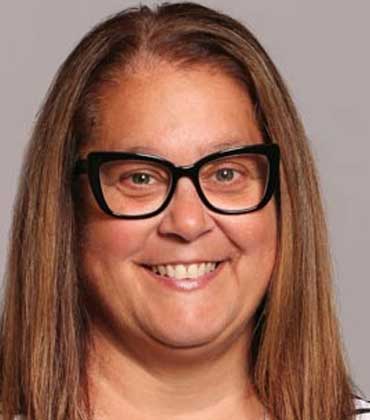
Learning and Training in Modern Healthcare
Gail Games, MHA, FACHE VP, Chief Learning & Development Officer, Holzer Health System
Financial Services
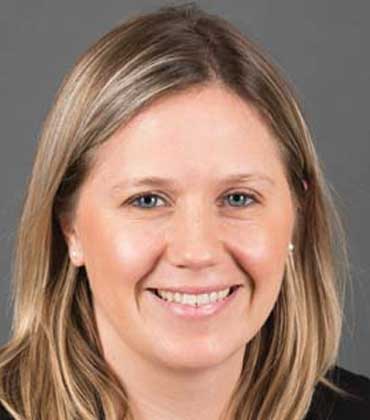
Prioritizing Access to Dental Care: Challenges and Solutions for the Future
Leslie Pomponi Locke, Operations Director, Department of Dentistry, Boston Children’s Hospital
Pharmacy Service

Navigating the Credentialing and Workforce Challenge
Dr. Tyree Davis, chief medical officer for Ancillary Services, Nevada Health Centers
Dental Sleep Training

Bringing Sleep Medicine to Prominence for Expedited Care
Natalie Huber, Director of Sleep, EEG & DME Services, Bon Secours Mercy Health
IN MY OPINION
Therapy Services
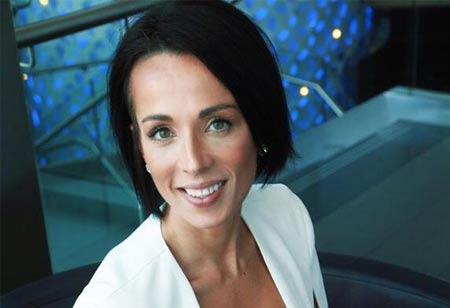
Looking Beyond the Current State of Sleep Medicine: Sleep as a Diagnostic, prognostic and therapeuti
Anne Marie Morse, Director, Division of Pediatric Sleep Medicine, Geisinger
LAST WORD
Therapy Services
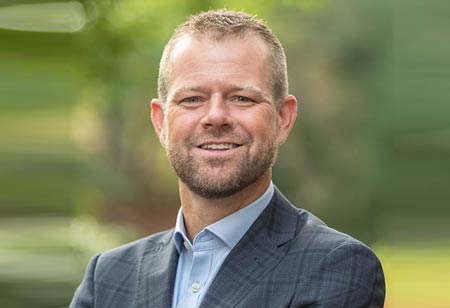
How can Medicare Advantage better serve seniors?
Dave Olson , Senior Vice President, Medicare Advantage & Network at DentaQuest
IN FOCUS

Significance of Transitioning a Dental Practice Effectively
Maintaining continuity of care during a transition is essential to a successful dental practice.
Digital Tools and Customization in Dental Sleep Medicine
Dental Sleep Medicine (DSM) has emerged as a critical subspecialty within dentistry that focuses on the management of sleep-related breathing disorders, particularly obstructive sleep apnea (OSA) and snoring.
EDITORIAL
The Evolving Landscape of Dental Sleep Training
As we move deeper into the 21st century, health disciplines are witnessing a convergence of specialties that were once considered distinct. One such fusion is occurring in the field of dentistry and sleep medicine, leading to the development of dental sleep training. This specialized area of education equips dental professionals to address sleep-related disorders, particularly sleep apnea, by integrating dental science with the complexities of sleep health.
Obstructive Sleep Apnea (OSA) has become a major public health concern, affecting millions worldwide. Traditionally, sleep apnea treatment was the domain of sleep specialists and pulmonologists, focusing primarily on CPAP (Continuous Positive Airway Pressure) therapy. However, CPAP has limitations in terms of compliance due to discomfort and inconvenience, which is where dentistry has emerged as a valuable alternative player.
Dental sleep medicine primarily involves the use of custom-made oral appliances designed to keep the airway open during sleep. These appliances, often referred to as mandibular advancement devices (MADs), reposition the lower jaw and tongue to prevent airway obstruction. For mild to moderate cases of OSA, oral appliance therapy has proven to be an effective and patient-friendly option, sparking interest in dental sleep training as an essential skill for modern dental practitioners.
The latest advances in dental sleep training are not just a testament to the evolving role of dentists in managing sleep disorders, but also a reflection of the broader shift towards patient-centered, integrative healthcare. By combining the knowledge of sleep science with the skills of dental professionals, the landscape of sleep medicine is becoming more accessible, less invasive, and increasingly patientfriendly.
In this edition, we have featured International Academy of Sleep. The company has stood the test of time and carved a niche in the dental sleep medicine (DSM) domain, equipping dentists with the expertise and confidence to excel in the rapidly evolving and highly specialized field.
