



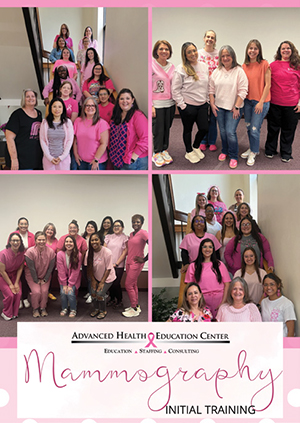
 Mammography is both technical and personal. Technologists must master positioning, anatomy, and imaging technology while helping patients navigate what can often be an anxious experience. Developing those skills requires more than completing a course. It demands handson training, clinical experience, and ongoing professional support.
For 38 years, Advanced Health Education Center (AHEC) has helped prepare mammography professionals for that responsibility. Founded in 1988 by radiologic technologists, the organization launched its Mammography Initial Training Program in 1991, providing specialized education at a time when access to mammography training was limited in many parts of the country.
As breast imaging has evolved from screen-film systems to digital mammography and digital breast tomosynthesis (DBT), so too have the educational needs of the professionals performing those exams. Throughout those changes, AHEC has maintained a consistent focus on helping technologists develop the knowledge and confidence needed to provide quality patient care.
That commitment extends beyond teaching the mechanics of mammography and why Advanced Health Education Center has been named a Top Mammography Training Solutions 2026.
“We’ve always believed it is a larger goal than just teaching a specific course. It is the investment in the technologists and, honestly, the investment in the patients.” — Jence Garza, CEO, AHEC
Education Grounded in Clinical Practice
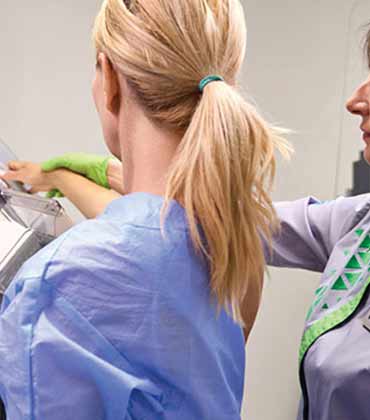 The transition from classroom learning to patient care can be one of the most challenging stages of a technologist’s career. Reading about positioning techniques is one thing; applying them with real patients in a busy imaging department is another.
AHEC has built its mammography programs around that reality. Training emphasizes the practical skills technologists use every day, including positioning, image evaluation, breast anatomy, and quality standards. The goal is not simply to prepare students for certification, but to help them develop confidence before stepping into a clinical environment.
Clinical partnerships further support that transition by allowing students to complete supervised examinations alongside experienced professionals. For many new mammographers, these first patient interactions are where classroom concepts become real-world skills.
The organization’s emphasis on clinical readiness reflects a broader philosophy about professional development.
“Education doesn’t end when a course is completed. The real learning happens when knowledge is applied in practice and supported throughout a professional career.” — Jence Garza
Learning from Working Professionals
One of the distinguishing characteristics of AHEC’s educational model is its connection to clinical practice. Many instructors continue to work in breast imaging, bringing current experience and firsthand knowledge into the classroom.
Students benefit not only from learning technical concepts but also from hearing how those concepts apply in daily practice. Discussions often extend beyond image acquisition to include workflow challenges, patient communication, problem-solving, and maintaining quality standards in a rapidly changing healthcare environment.
The organization’s origins are rooted in addressing a broader challenge in healthcare education. Founded by radiologic professionals, AHEC was created to address educational deserts in communities where specialized healthcare training opportunities were not readily available. By providing access to advanced education for technologists who might otherwise have limited opportunities, the organization helped expand professional development pathways across diverse healthcare settings.
Supporting Lifelong Growth
For many technologists, earning a mammography certification is not the finish line. As technology advances and clinical standards evolve, continuing education becomes an essential part of professional growth.
-
I think for us, it's always been a larger goal than just teaching a specific course.
AHEC’s educational offerings extend beyond initial training, providing learning opportunities throughout a technologist’s career. Webinars, on-demand courses, certification preparation programs, and continuing education resources help professionals stay current while building new skills.
For some, that means pursuing advanced certifications and specialization within breast imaging. For others, it means refining positioning techniques, strengthening quality practices, or adapting to emerging technologies. Regardless of career stage, continuing education helps support both professional confidence and clinical excellence.
As Garza notes:
“Our goal has never been to simply train someone for a single credential. We want to support technologists throughout their careers as they grow, specialize, and continue serving their patients.”
Supporting Facilities and Imaging Teams
Quality mammography depends on more than individual performance. It also relies on the systems, processes, and standards within an imaging department.
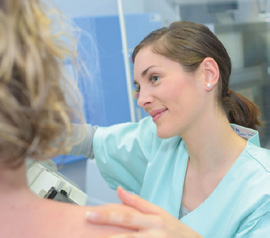 In addition to educating technologists, AHEC works with healthcare facilities on image reviews, quality improvement initiatives, accreditation preparation, positioning assessments, and remediation support. These efforts help organizations identify opportunities to strengthen image quality and consistency while supporting their imaging teams.
Ultimately, improvements in education and performance affect more than operational metrics. They influence the experience patients have every day when they walk into a breast imaging department, often during moments of uncertainty and vulnerability.
Looking Ahead
Breast imaging continues to evolve, bringing new technologies, new expectations, and new opportunities to improve patient care. As the profession advances, the need for accessible, clinically relevant education remains constant.
For nearly four decades, AHEC has focused on supporting mammography professionals at every stage of their journey, from initial training and clinical experience to continuing education and advanced specialization.
Its story is ultimately about the people behind the images: the technologists dedicated to mastering their craft, the educators who share their expertise, and the patients who rely on both. In a field where small details can make a meaningful difference, education remains one of the most important investments in the future of breast imaging.
