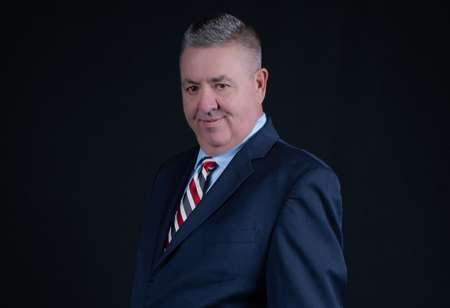
A bit of context, I am an engineer by education. I have been in healthcare for 25 years, first working for medical oncologists in a private practice. I was with that group for 16 years. The practice was an innovative and forward-thinking group; I was hired to help them implement an EMR before EMRs were mainstream. Over time, I found myself less interested in the systems and software and more interested in learning and understanding oncology. I would tell the physicians that, while the EMR would help them practice medicine better, the true value is that the data collected would help them run their business better and inform them of clinical “behaviors.” That held true in the latter years, when the practice was in financial straits, and it was the data that identified some of the issues. I ascended to managing the overall practice and was asked to address the financial issues. While I was able to stabilize the practice, the marketplace was changing. Bigger institutions were coming into the practice catchment area and shifting the market unfavorably to the group. In 2016, I/we sold the practice to the University of Pennsylvania Health System. I had no intentions of staying with Penn; I was going to go do something on my own. Before that happened, I met Dr. David Porter, the Director of BMT, who had a vision of developing a freestanding Center for Cell Therapy that supports these treatments beyond cancer. That’s where we are today.